



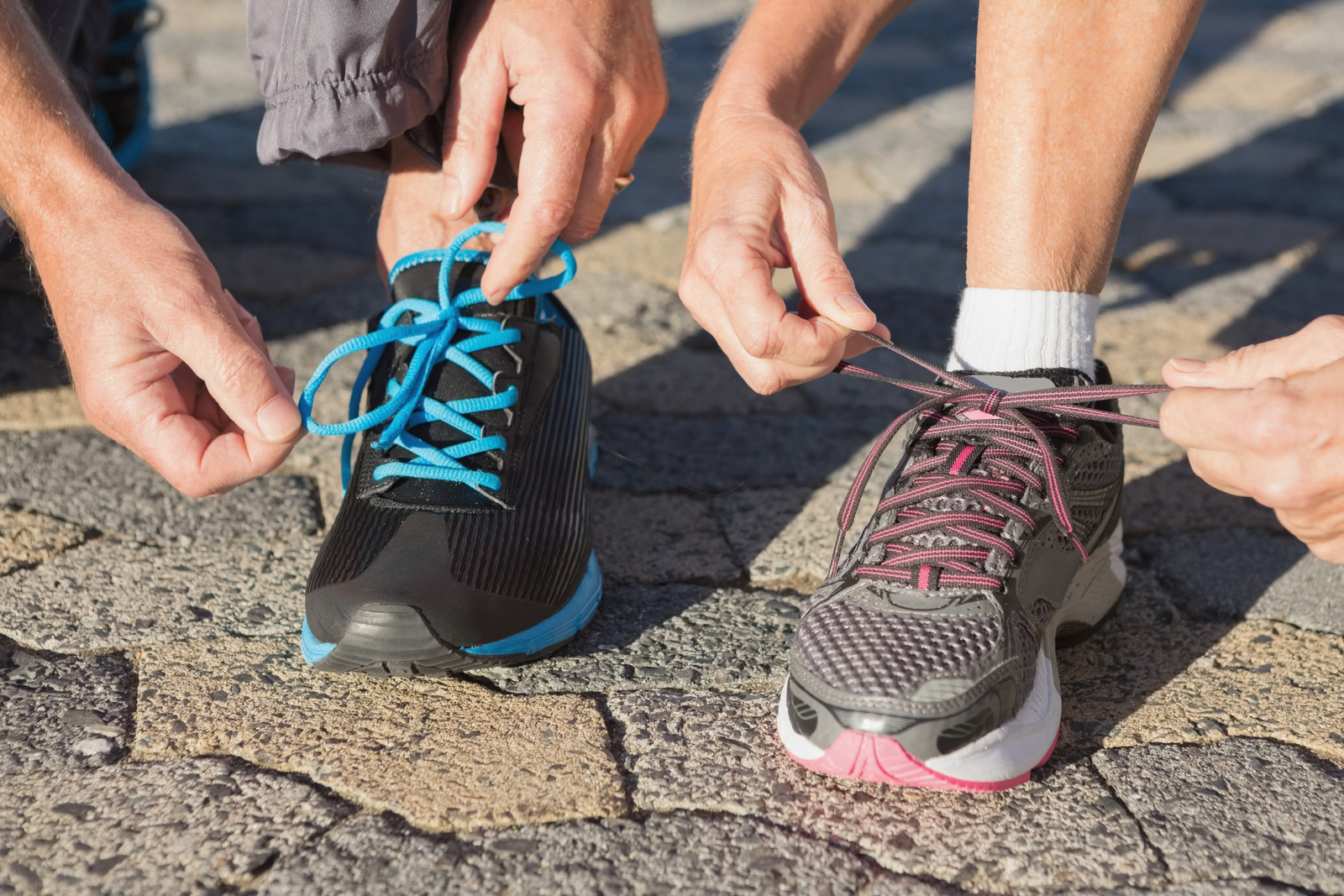
Top Stability Running Shoes Perfect for Runners with Overpronation
Stability running shoes are essential for runners who experience overpronation. These shoes provide the necessary support to keep your stride in check, reducing the risk of injuries and enhancing overall running performance. Whether you're a seasoned runner or just starting, finding the right stability shoe can make a world of difference. In this guide, we'll explore the best shoes available and what makes them stand out. Why You Need Stability Running Shoes Choosing the right footwear is crucial for runners seeking the perfect balance between comfort and performance. Understanding Overpronation Overpronation occurs when your foot rolls inward excessively during each step. This motion can lead to strain on the muscles and ligaments, contributing to injuries like shin splints, plantar fasciitis, and knee pain. Stability running shoes are designed to counteract this inward roll, providing added support and structure to your run. Benefits of Stability Running Shoes Having the right footwear is crucial for running. Let's explore the benefits of stability shoes. Enhanced Support: Stability shoes offer additional arch support to maintain a neutral foot position, which is crucial for preventing overpronation or supination. This ensures that your feet stay aligned naturally, reducing strain on your muscles and joints. Injury Prevention: The right shoes help reduce the risk of
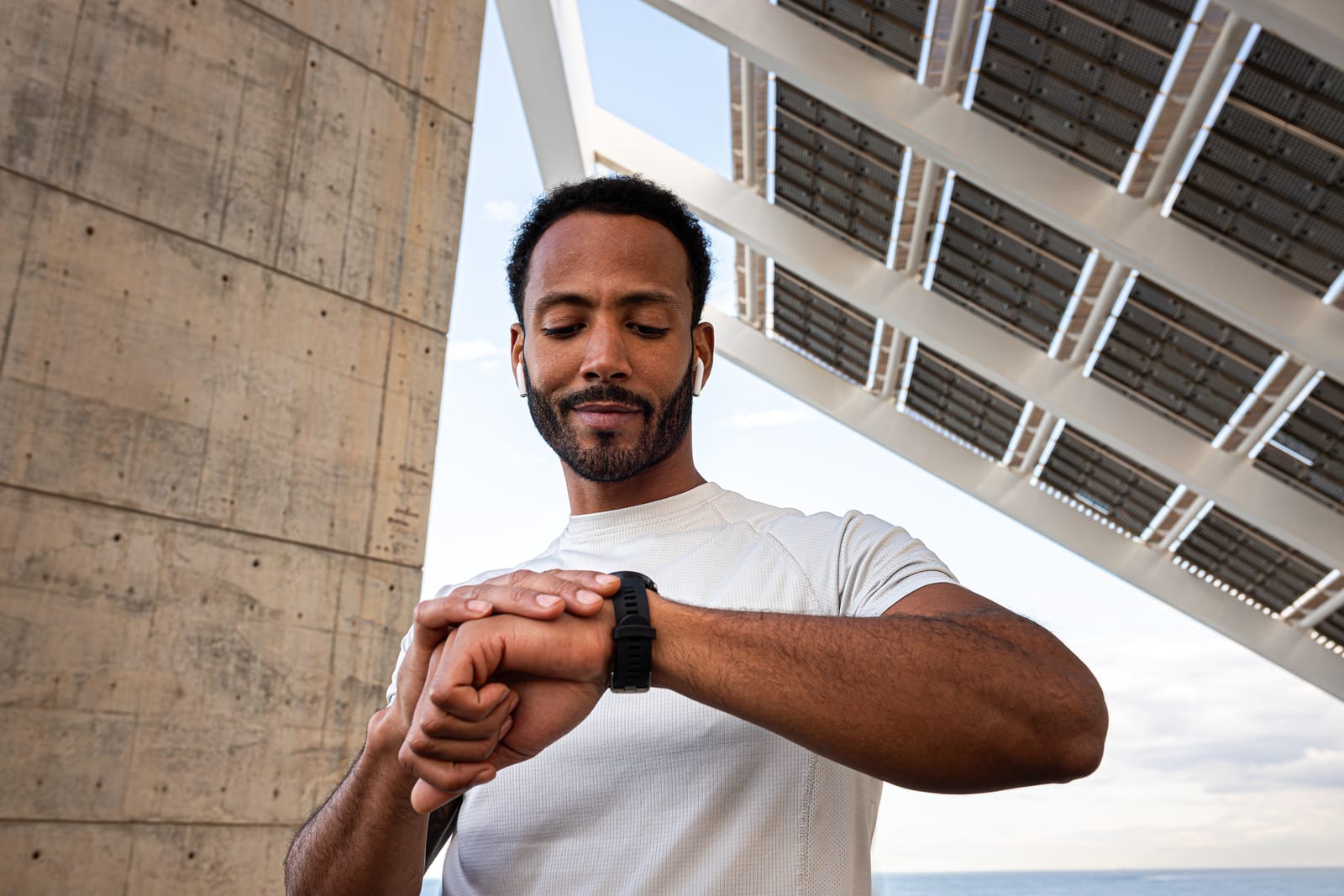
Explaining Abnormally High Heart Rate During Exercise
Experiencing an abnormally high heart rate during exercise can be particularly concerning for athletes and fitness enthusiasts. Understanding the causes and risks associated with a high heart rate is crucial for maintaining cardiovascular health. This guide will explore various management strategies to help you safely deal with a high heart rate during physical activity. What is an Abnormally High Heart Rate? An abnormally high heart rate, also known as tachycardia, occurs when your heart beats faster than normal. For most adults, a resting rate between 60 and 100 beats per minute (bpm) is considered normal. However, during exercise, it is normal for your pulse to increase. The concern arises when it exceeds the expected range for your age and fitness level. Causes of a High Heart Rate During Exercise Understanding the reasons behind elevated cardiovascular activity during exercise can help you better manage your workouts and overall health. Here are some key factors that can contribute to this: Physical Fitness Level Your fitness level plays a significant role in how your body responds to exercise. For beginners, engaging in physical activity often results in higher cardiovascular activity due to lower cardiovascular efficiency. In contrast, seasoned athletes typically experience lower rates during exercise, thanks to their well-conditioned
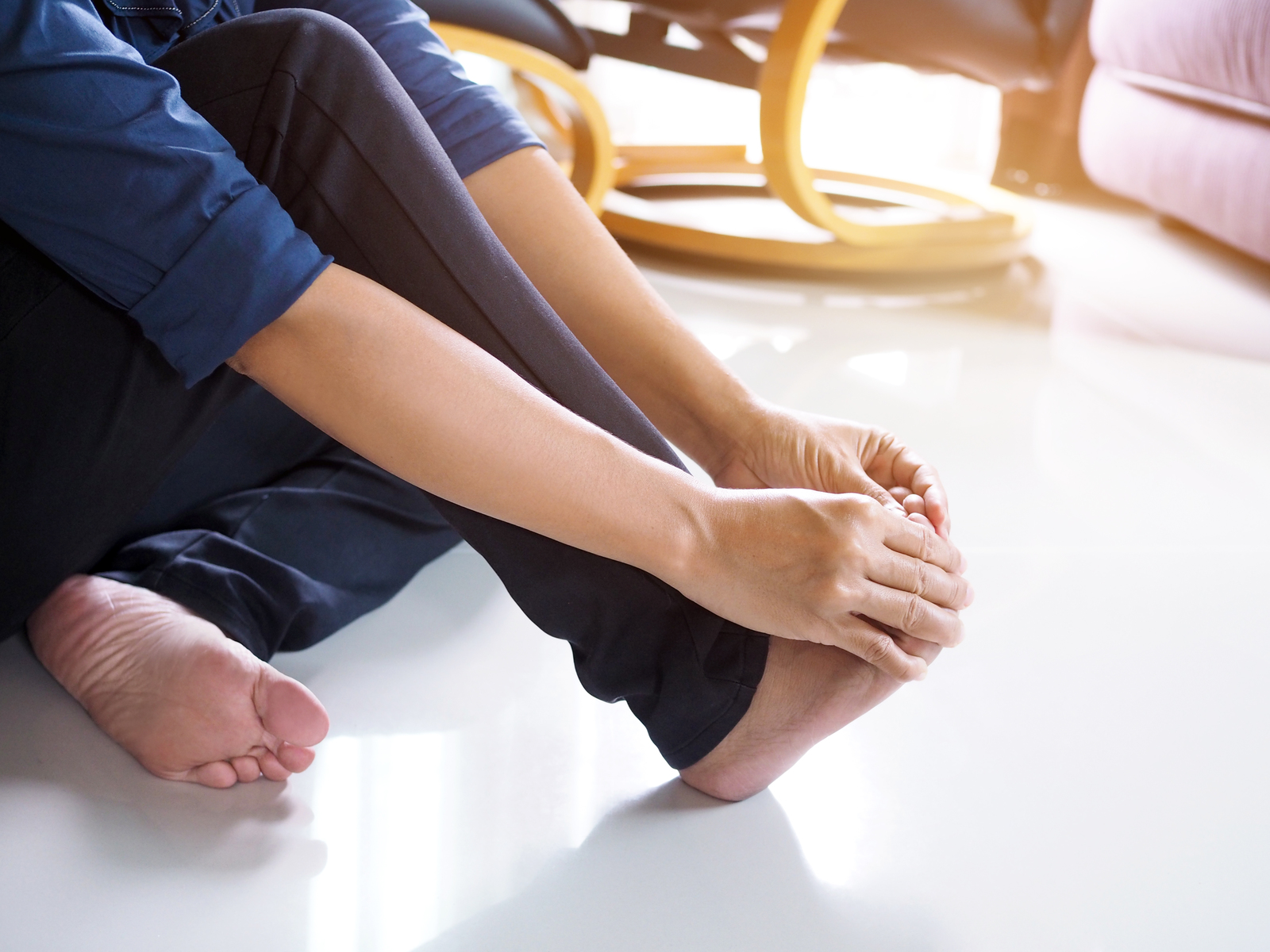
Effective Ways to Prevent a Partial Tear in Plantar Fascia
Plantar fasciitis is a common and painful condition that affects many athletes, especially runners and triathletes. If left untreated, it can lead to a partial tear in the plantar fascia, which can be debilitating. In this guide, we'll explore several effective ways to prevent such injuries and keep you on track with your fitness goals. What is Plantar Fasciitis? The plantar fascia is a thick band of tissue that runs across the bottom of your foot, connecting your heel bone to your toes. Plantar fasciitis occurs when this tissue becomes inflamed, causing heel pain, especially when you take your first steps in the morning. Symptoms of a Partial Tear A partial tear in the plantar fascia is more severe than plantar fasciitis and often results in significant discomfort and mobility issues. Here are the key symptoms and additional details to help identify this condition: Sharp pain in the heel or arch: This pain is typically intense and localized, often exacerbated by physical activity or after periods of rest. Swelling and bruising: You may notice visible swelling and bruising around the heel or arch area, indicating inflammation and tissue damage. Difficulty walking or bearing weight on the affected foot: The pain and damage make it challenging to walk
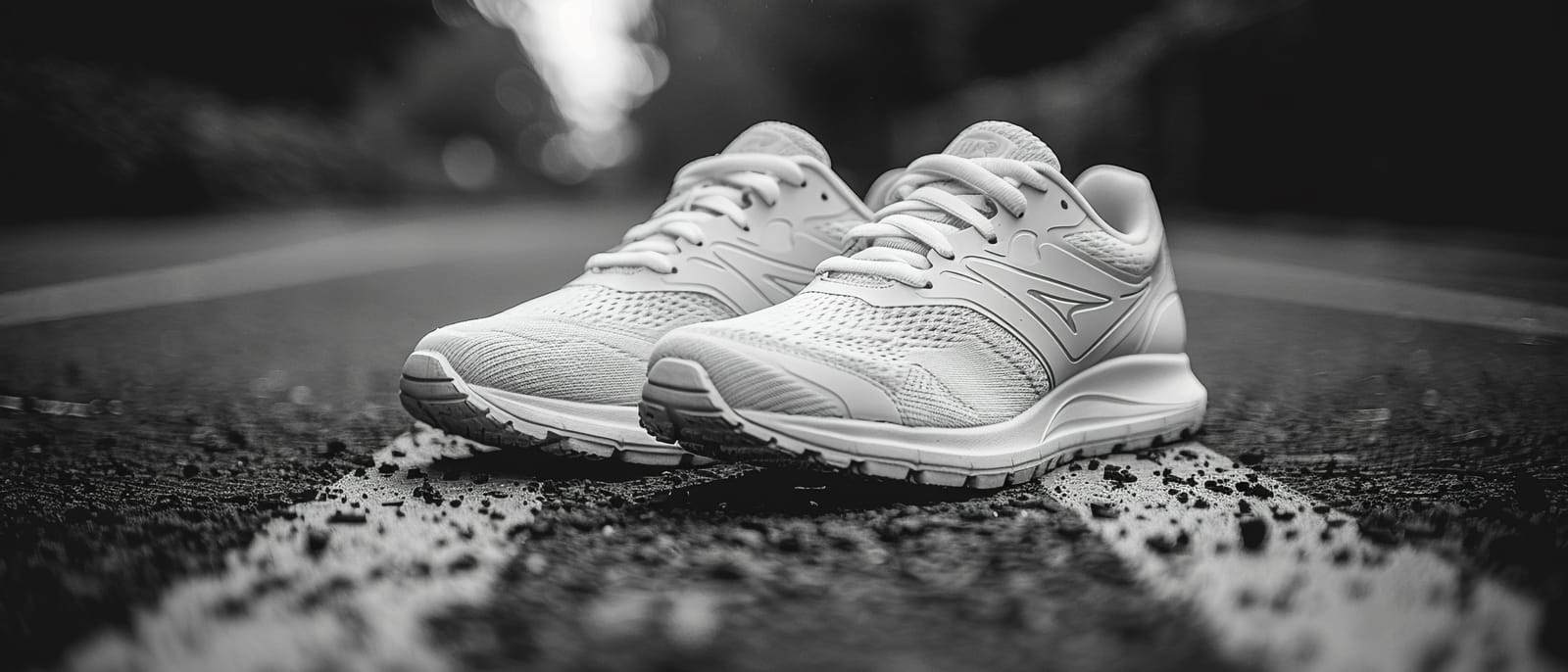
Best Stability Running Shoes for Overpronators
Finding the right running shoe is crucial for runners for overpronators to maintain proper form and avoid injury. Stability shoes are designed to provide the necessary support and cushioning to prevent excessive inward rolling of the foot. In this guide, we'll walk you through the best supportive running shoes available, perfect for triathletes, fitness enthusiasts, and runners looking to enhance their performance. Why Stability Matters in Running Shoes Choosing the right footwear is essential for any runner, especially to prevent injuries and enhance performance. What is Overpronation? Overpronation occurs when your foot rolls inward excessively as you run, causing stress on your ankles and knees. This can lead to various injuries, including shin splints, plantar fasciitis, and Achilles tendinitis. Stability running shoes are specifically designed to counteract overpronation by providing added support and cushioning, helping you maintain a more neutral stride. Benefits of Stability Shoes Running is a fantastic way to stay fit and healthy, but choosing the right footwear is crucial. Here are some benefits of stability shoes: Enhanced Support: Prevents excessive inward rolling of the foot. Injury Prevention: Reduces the risk of common injuries. Improved Comfort: Offers better cushioning for a smoother run. Better Performance: Helps you maintain proper form, leading to more efficient running. How They Work Stability shoes